

Essential Nutritional Strategies for Cancer Patients: Dietary Support for Cancer
- lynsey808
- Jan 22
- 4 min read
Facing cancer is a journey that affects every part of life, including how we eat and nourish our bodies. Proper nutrition plays a vital role in supporting strength, managing treatment side effects, and improving overall well-being. I want to share some essential nutritional strategies that can help you or your loved ones maintain the best possible health during this challenging time. These approaches are grounded in evidence and delivered with warmth and understanding.
Understanding the Importance of Dietary Support for Cancer
Nutrition is not just about eating; it’s about providing your body with the fuel it needs to heal, fight, and recover. Cancer and its treatments can change appetite, taste, and digestion, making it harder to get the right nutrients. That’s why dietary support for cancer is so important.
Here are some key reasons why nutrition matters:
Maintains strength and energy: Cancer treatments can be exhausting. Good nutrition helps keep energy levels up.
Supports immune function: A well-nourished body can better fight infections.
Helps manage side effects: Proper diet can ease nausea, mouth sores, and other common issues.
Promotes healing and recovery: Nutrients like protein and vitamins are essential for tissue repair.
By focusing on balanced meals and tailored nutrition plans, you can help your body stay resilient throughout treatment.
Practical Dietary Support for Cancer: What to Eat and Why
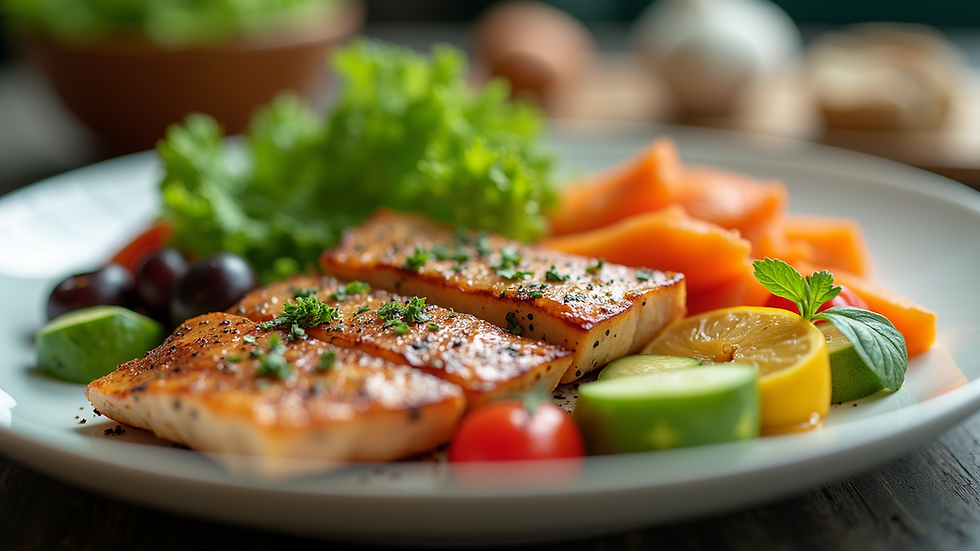
When it comes to dietary support for cancer, the goal is to eat a variety of nutrient-rich foods that support your body’s needs. Here are some practical tips and food choices to consider:
Prioritise Protein
Protein is crucial for repairing tissues and maintaining muscle mass. Cancer treatments can increase protein needs, so include sources like:
Lean meats (chicken, turkey)
Fish and seafood
Eggs
Dairy products (milk, yogurt, cheese)
Plant-based proteins (beans, lentils, tofu, nuts)
Embrace Colourful Fruits and Vegetables
These provide antioxidants, vitamins, and minerals that support immune health. Aim for a rainbow of colours daily:
Berries, oranges, and apples
Leafy greens like spinach and kale
Carrots, sweet potatoes, and bell peppers
Choose Whole Grains
Whole grains offer fibre and energy. Examples include:
Brown rice
Whole wheat bread and pasta
Oats and barley
Stay Hydrated
Water is essential, especially if treatments cause vomiting or diarrhoea. Herbal teas and diluted fruit juices can also help.
Manage Side Effects with Food Choices
For nausea: Try small, frequent meals; bland foods like crackers or toast.
For mouth sores: Soft, cool foods like smoothies, yoghurt, and mashed potatoes.
For constipation: Increase fibre and fluids.
Remember, every person’s needs are unique. It’s important to listen to your body and adjust accordingly.
How to Implement Nutritional Strategies During Treatment
Implementing these strategies can feel overwhelming, but small, consistent steps make a big difference. Here’s how to start:
Plan meals ahead: Prepare simple, nutrient-dense meals in advance to avoid last-minute stress.
Eat small, frequent meals: This can help maintain energy and reduce nausea.
Keep snacks handy: Nuts, cheese, or fruit can provide quick nourishment.
Modify textures: If swallowing is difficult, try pureed or soft foods.
Seek professional advice: A registered oncology dietitian can tailor a plan to your needs.
It’s okay to ask for help from family, friends, or healthcare providers. You don’t have to do this alone.

The Role of Supplements and Special Diets
Sometimes, food alone may not meet all nutritional needs. Supplements can be helpful but should be used carefully:
Protein powders: Useful if appetite is low.
Vitamin and mineral supplements: Only take these if recommended by your healthcare team.
Special diets: Some patients explore ketogenic or plant-based diets, but these should be discussed with a dietitian to ensure safety and adequacy.
Avoid unproven or extreme diets that promise cures. Focus on balanced, evidence-based nutrition to support your treatment and recovery.
Emotional and Social Aspects of Eating During Cancer
Eating is more than just nutrition; it’s also about comfort, connection, and joy. Cancer can change your relationship with food, and that’s normal. Here are some gentle reminders:
Be kind to yourself: It’s okay if you can’t eat as you used to.
Enjoy meals with loved ones: Sharing food can lift spirits.
Experiment with flavours: If taste changes, try herbs, spices, or different textures.
Celebrate small victories: Every nourishing bite counts.
Remember, food is a source of pleasure and healing. Nourish your body and soul.
Continuing Your Nutritional Journey Beyond Treatment
Nutrition remains important after treatment ends. Maintaining a healthy diet can help reduce the risk of recurrence and improve quality of life. Focus on:
Balanced meals rich in whole foods
Regular physical activity as tolerated
Ongoing support from dietitians or support groups
Your nutritional needs may evolve, so keep checking in with your healthcare team.
For more detailed guidance and personalised support, consider exploring resources like cancer nutrition.
I hope these strategies offer you practical and compassionate guidance on your nutritional journey. Remember, nourishing your body is a powerful way to support your healing and resilience every day.


Comments