


Making Christmas Dinner Work Through Cancer Side Effects
- lynsey808
- Dec 16
- 2 min read
Christmas is often a time of joy, tradition, and gathering around the table. But for those living with cancer, treatment side effects can make festive meals feel overwhelming. Appetite changes, taste alterations, mouth soreness, fatigue, or digestive issues may all affect how food is experienced. The good news is that with a few thoughtful adaptations, Christmas dinner can remain comforting, nourishing, and inclusive.

Understanding Side Effects
Cancer treatments can affect both taste and texture perception, as well as energy levels and digestion. Some people notice metallic flavours, while others find sweet or savoury foods less appealing. Mucositis can make chewing and swallowing painful, and fatigue may limit the energy available for cooking or eating. Recognising these challenges allows us to adapt meals so they feel safe and enjoyable
Festive Food Adaptations
Taste Changes
Use mild herbs (parsley, dill, thyme) or warming spices like cinnamon to gently enhance flavour.
Marinate proteins in yoghurt or mild herb dressings rather than citrus or vinegar.
If savoury foods taste unpleasant, lean into naturally sweet options like roasted root vegetables or fruit compotes.
Mucositis (Mouth Soreness)
Choose soft, moist foods: mashed potatoes, pureed vegetables, casseroles, or tender fish.
Avoid sharp, spicy, salty, or acidic dishes.
Add plenty of gravy, cream sauce, or custard to ease swallowing.
Fatigue
Prepare simple one‑pot meals (soups, stews, pies) that combine nutrition and comfort.
Accept help from family or friends with meal prep.
Focus on smaller portions of favourite foods rather than a full spread.
Digestive Upsets
Offer plain, gentle foods like rice, mashed potatoes, or poached chicken.
Avoid rich, greasy, or heavily spiced dishes.
Include soluble fibre options (oats, bananas, stewed apples) for gut comfort.
Festive Swaps
Turkey & Main Dishes
Shredded turkey with gravy or a creamy turkey pie makes the meat moist and easier to swallow.
Vegetarian or fish alternatives like soft baked salmon or lentil shepherd’s pie can be gentler options.
Potatoes & Sides
Swap crispy roast potatoes for mashed or pureed sweet potatoes with a touch of cinnamon butter.
Offer braised red cabbage softened with apple or mashed carrots and parsnips for colourful, soft textures.
Stuffing
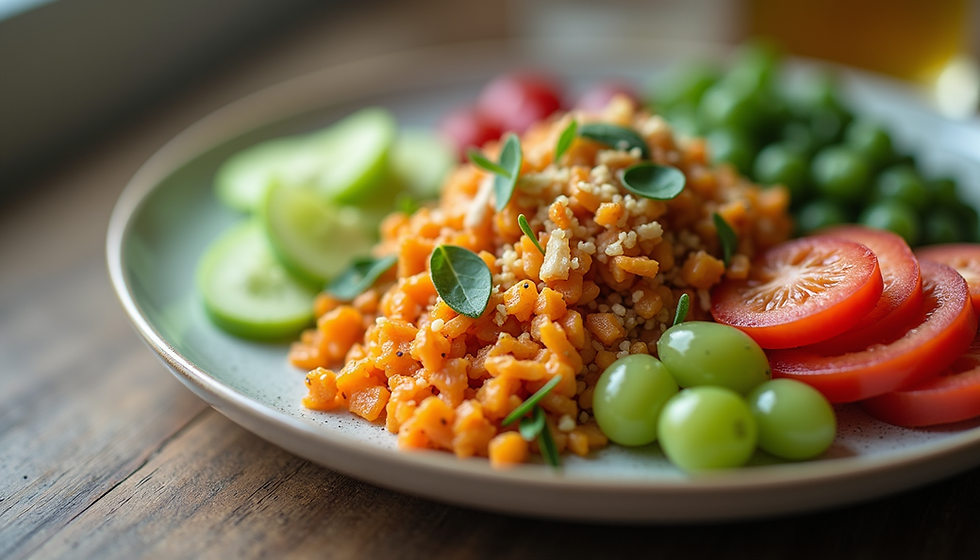
Instead of crusty bread-based stuffing, try a soft rice or quinoa stuffing with mild herbs.
Desserts
Replace sticky puddings with rice pudding, custard, mousse, or fruit compote.
Smooth, creamy textures are easier to enjoy and still feel festive.
Practical Tips
Add sauces liberally: Gravy, cream, or cheese sauce can make foods moist and soothing.
Experiment with temperature: Chilled or room-temperature foods may feel less irritating than hot dishes.
Personalise flavours: If savoury foods taste metallic, lean into gentle sweetness; if sweet foods are unappealing, try mild herbs.
Hydrate creatively: Smoothies, milkshakes, or festive non-alcoholic punches can keep the mouth moist and add variety.
Closing Thought
Christmas dinner doesn’t have to be off the table. By adapting textures, flavours, and portion sizes, festive meals can remain a source of comfort and connection—even when cancer treatment brings challenges. For those living with cancer, or supporting a loved one, these adaptations help ensure the season is about presence, not perfection.


Comments